
Dealing with damaged pipes can quickly leave homeowners scratching their heads: Should you go with traditional pipe replacement? Is there a less disruptive alternative?
For decades, full pipe replacement has been the standard solution (removing the old pipe and installing a new one), but it often involves extensive excavation, potential damage to your yard, and a significant investment of both time and money.
Fortunately, modern plumbing has come a long way and now offers a compelling alternative: trenchless pipe relining. This method repairs deteriorated pipes from the inside, creating a durable new lining without the need to dig up your garden, driveway, or flooring. It’s minimally invasive, faster to complete, and often more cost-effective for certain types of damage.
If you’re wondering which approach makes sense for your home or business, this guide will walk you through the ins and outs of both pipe replacement and pipe relining. We’ll explore how each process works, the advantages and disadvantages, cost considerations, and what factors should influence your decision, so you can choose the solution that keeps your plumbing in top shape.
The Anatomy of Pipes in Your Home or Business
Your plumbing system probably contains a mix of pipe materials, each with its own lifespan and strengths. Knowing the materials in your system helps you predict how long your pipes will last and which repair method is most suitable.
- Copper pipes: A classic choice known for longevity. With proper care, copper pipes last 50–70 years, and in optimal conditions, they can reach up to 100 years.
- PVC (Polyvinyl Chloride) pipes: Affordable and durable, PVC typically lasts 25–40 years, though under ideal circumstances, it may also reach 100 years.
- PEX (Cross-Linked Polyethylene) pipes: Flexible, easy to install, and a game-changer in modern plumbing, PEX pipes usually last 40–50 years.
- Galvanised steel pipes: Common in older homes, these pipes last 20–50 years but are prone to rust and brittleness over time.
- Cast iron pipes: Heavy-duty and long-lasting, cast iron can reliably function for 75–100 years.
- Clay and terracotta pipes: Often used in older sewer systems, these natural materials are resistant to corrosion and chemical damage. Clay and terracotta pipes can last 50–100 years, but they are brittle and prone to cracking or root intrusion if the ground shifts.
Pipe Inspection Methods
Before deciding whether to reline or replace your pipes, it’s essential to have a clear understanding of their current condition. As they are often hidden underground or behind walls, it’s often difficult to assess their health with the naked eye.
That’s where advanced tools come in, providing a precise, non-invasive assessment of your plumbing system. You gain a complete understanding of where damage exists, how severe it is, and whether relining or replacement is the most cost-effective and long-lasting solution.
CCTV Pipe Inspection
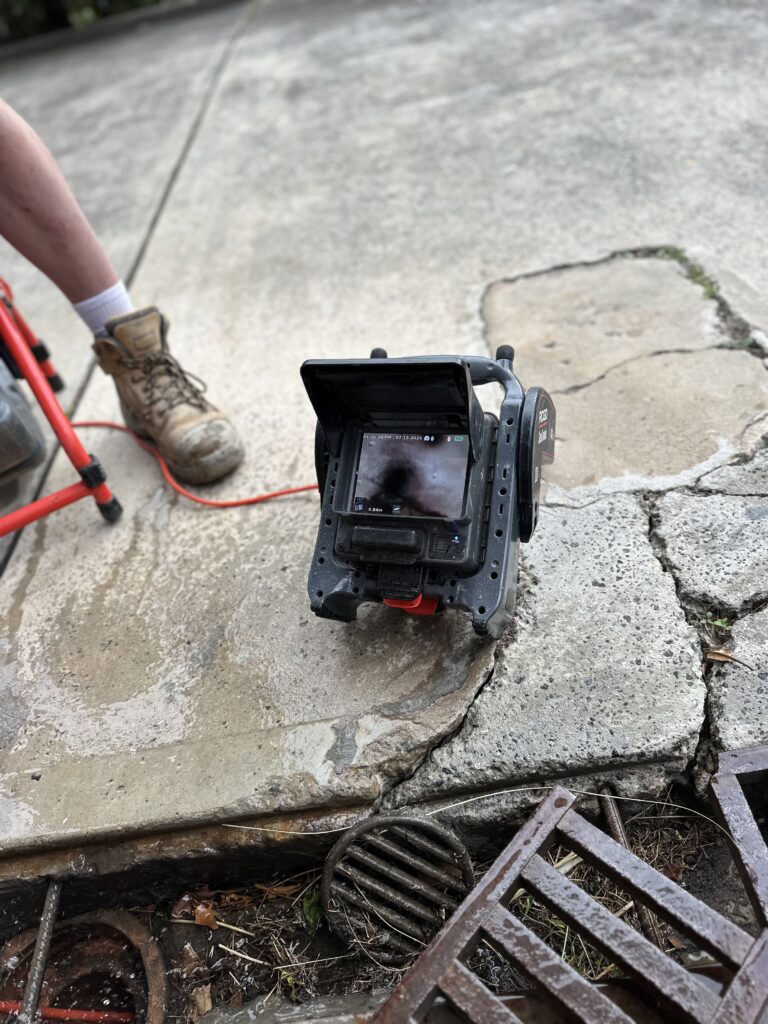
CCTV (Closed-Circuit Television) pipe inspection involves sending a high-definition, waterproof camera through the interior of your pipes. The camera transmits real-time footage to the technician, allowing them to identify a wide range of issues, without having to dig up your yards, driveway or flooring:
- Cracks and fractures in the pipe walls
- Corrosion, pitting, or rust buildup
- Blockages caused by grease, silt, or debris
- Structural weaknesses or joint failures
- Tree root intrusions
Hydro Jetting
Hydro jetting is a technique that uses high-pressure water to thoroughly clean and clear pipes before repair or inspection. By removing obstructions and buildup, the camera can provide a clear, unobstructed view of the pipe’s true condition. Unlike traditional drain cleaning methods, hydro jetting can remove:
- Stubborn grease and oil buildup
- Mineral deposits and scale
- Silt, sand, and debris accumulation
- Invasive tree roots that have penetrated cracks
What is Pipe Replacement?
When pipes are severely damaged, traditional pipe replacement is likely the most reliable solution. Full replacement involves digging up the damaged section, removing the old pipes, and installing new ones.
Plumbers usually recommend this approach when pipes have collapsed, been crushed, or sustained extensive damage from tree roots or corrosion. For severely deteriorated pipes, full replacement ensures long-term reliability and restores the system to optimal performance.
Signs You Might Need a Pipe Replacement
You may need to consider pipe replacement if you notice:
- Leaks that keep coming back despite repairs
- Yellow, brown, or sediment-filled water
- Visible rust or corrosion on exposed pipes
- Significant drops in water pressure
- Wet spots around your property caused by cracks or bursts
- Multiple pipes failing at the same time
The Process of Pipe Replacement
While the exact steps may vary depending on your property and the extent of the damage, most replacements follow a similar process:
- Site Assessment: Before any digging begins, a thorough site assessment is conducted. Plumbers check for the location of gas, electrical, and communication lines to ensure safety. They also examine the surrounding area to plan the best access points, protect landscaping, and minimise disruption to your property.
- Locating the Damage: Next, the exact location and extent of the problem are identified. This may involve CCTV pipe inspections, listening devices, or ground-penetrating tools. Precise detection helps reduce unnecessary excavation and ensures only the affected sections are replaced.
- Excavation: Once the problem area is located, trenches are carefully dug to expose the damaged pipes. The depth and length of excavation depend on pipe type, location, and accessibility. Plumbers take care to minimise impact on lawns, driveways, or flooring, though some disruption is unavoidable.
- Removal of Old Pipes: The damaged pipes are removed, and the surrounding area is cleared. In cases of severe corrosion, collapse, or root intrusion, multiple sections may need to be taken out. Plumbers inspect adjacent pipework to determine if additional sections should be replaced to prevent future problems.
- Installation of New Pipes: New pipes are installed to replace the old ones. Plumbers ensure proper alignment, secure fittings, and verify that connections are watertight. This step restores full flow capacity and corrects any issues caused by previous blockages or damage.
- Restoration: After the new pipes are in place, trenches are filled, and the site is restored. This may involve repairing driveways, patching concrete floors, or replanting grass. The goal is to return your property to its original condition while leaving behind a fully functional plumbing system.
The Pros and Cons Of Pipe Replacement
Choosing pipe replacement offers reliability and peace of mind that temporary fixes simply can’t match:
- Brand-new pipes throughout your system: With a full replacement, every damaged section is removed and replaced, leaving you with a completely refreshed plumbing system that’s free of corrosion, cracks, or blockages.
- Maintains original pipe size, ensuring optimal water flow: Unlike some repair methods that reduce pipe diameter, replacement preserves the full size of the pipes, providing consistent water pressure and flow throughout your home or business.
- Long-lasting performance with minimal maintenance: Properly installed new pipes can last decades with little ongoing upkeep, reducing the risk of recurring issues and costly emergency repairs.
- Opportunity to upgrade to more durable or modern pipe materials: Replacement allows you to choose pipes suited to your property’s needs, whether that’s corrosion-resistant copper, flexible PEX, or high-quality PVC. This upgrade can enhance both longevity and performance.
- Effectively resolves even the worst pipe problems: For pipes that have collapsed, are severely corroded, or have widespread root intrusion, replacement is often the only solution that fully addresses the problem and prevents future damage.
However, while pipe replacement is highly effective, it comes with trade-offs that should be carefully considered:
- Excavation disrupts yards, landscaping, and hardscapes: Digging to access damaged pipes can disturb gardens, lawns, driveways, and even indoor flooring, requiring restoration once the work is complete.
- Higher overall costs for labour, materials, and property restoration: Because replacement is labour-intensive and may involve significant material costs, it is generally more expensive upfront compared to less invasive repair methods.
- Longer completion times (sometimes several days or weeks): Depending on the extent of the damage and accessibility, replacement can take longer to complete than alternatives like pipe relining.
- Can be messy and may require multiple tradespeople to finish: From excavation to installation and site restoration, multiple skilled professionals may be needed, which adds complexity and coordination to the project.
What is Pipe Relining?
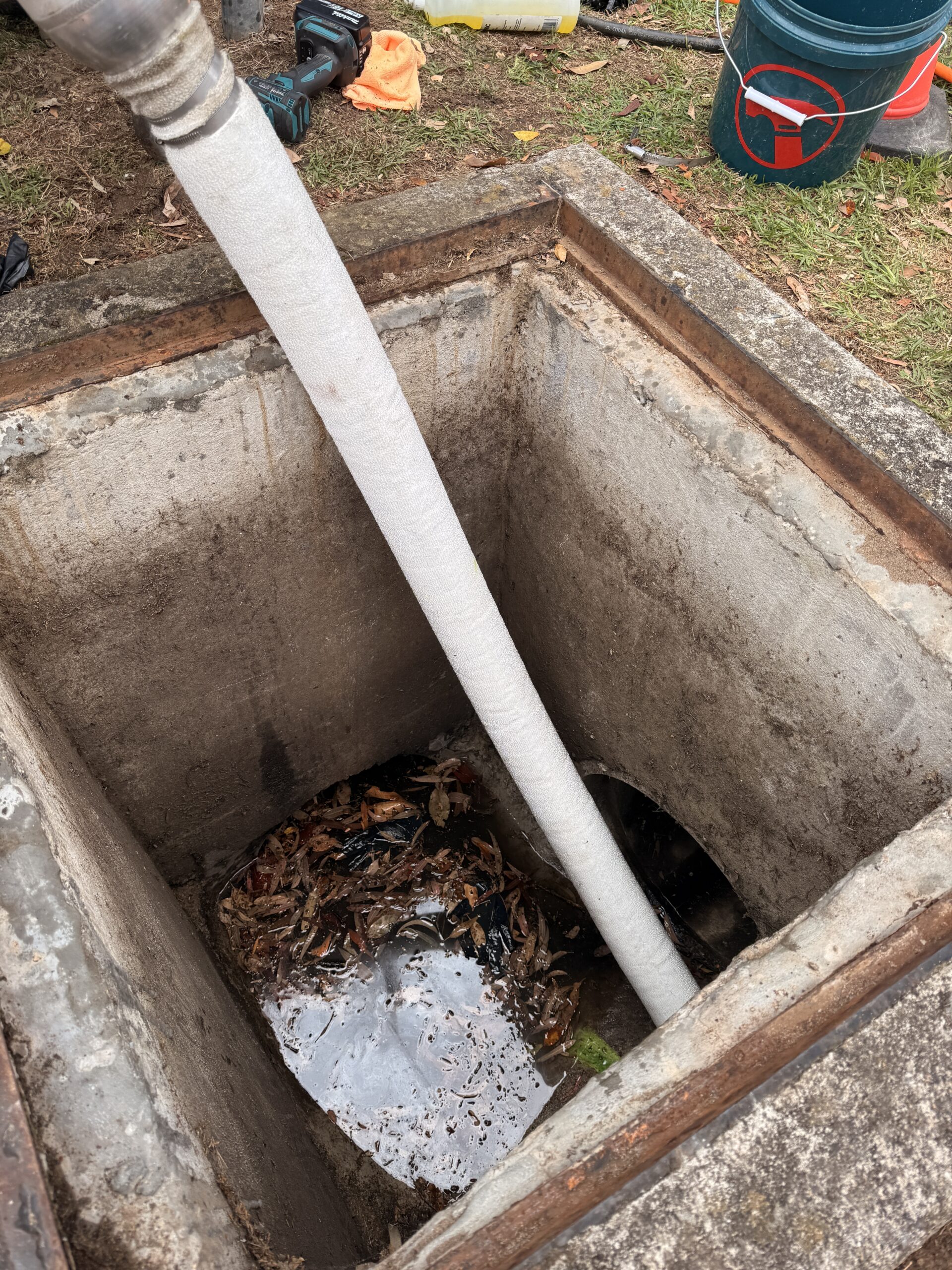
Pipe relining, also known as cured-in-place pipe (CIPP) is a modern, trenchless solution that repairs damaged pipes without the need for excavation. This innovative technique involves inserting a flexible, resin-coated liner into the existing pipe that hardens to form a strong, durable new pipe inside the old one. The smooth, protective coating seals cracks and weaknesses, restores proper water flow, and prevents future leaks or blockages.
Signs You Might Need Pipe Relining
Pipe relining is ideal for moderate damage or inaccessible pipes. You might consider it if you notice:
- Blockages that keep returning even after cleaning
- Multiple drains running slowly
- Foul smells coming from your drains
- Wet patches or sinkholes forming in your garden
- Unexpectedly high water bills
- Gurgling noises coming from your pipes
The Process of Pipe Relining
Pipe relining is a carefully controlled, minimally invasive procedure that repairs damaged pipes from the inside, eliminating the need for digging or major disruption. Here’s a step-by-step breakdown of how it works:
- CCTV Inspection: The process begins with a thorough inspection using high-definition CCTV cameras. The cameras travel through the interior of your pipes, providing real-time footage of cracks, corrosion, blockages, root intrusions, and structural weaknesses. This allows technicians to accurately assess the pipe’s condition and determine the exact areas that need repair, ensuring the relining process targets the right sections.
- Hydro-Jetting: Once the damage is mapped, the pipe is cleaned using hydro-jetting to remove stubborn debris, grease, mineral buildup, silt, and even invasive tree roots. Hydro-jetting not only clears blockages but also prepares the pipe surface for the liner, ensuring optimal adhesion and a smooth, durable finish.
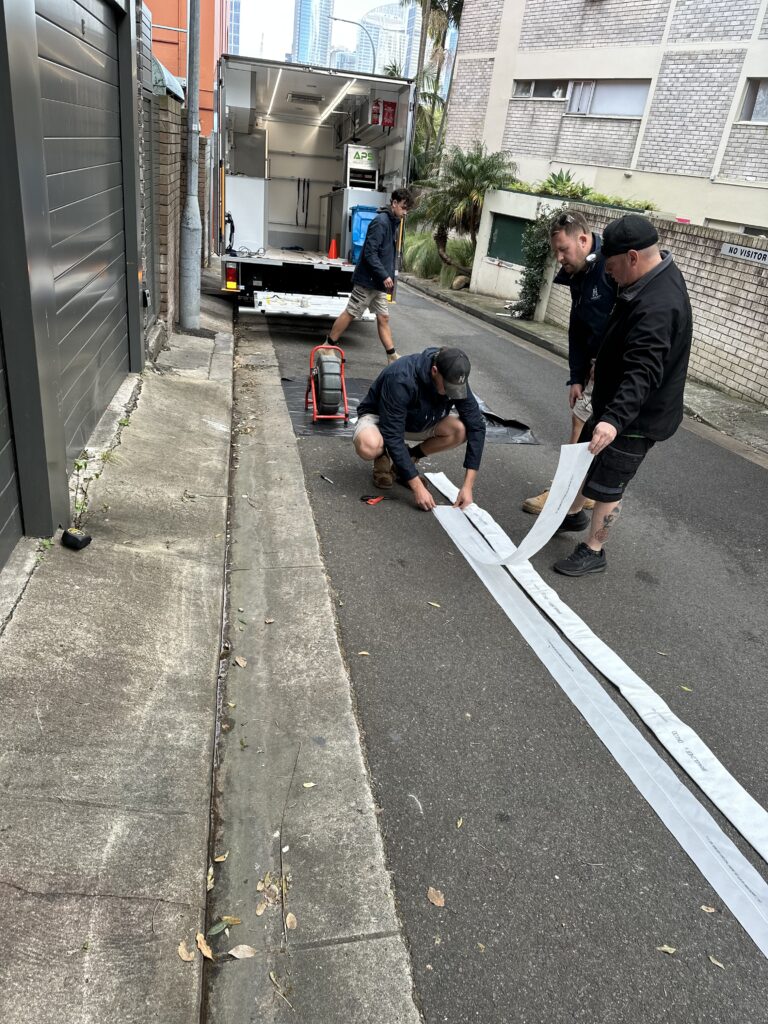
- Inserting the Liner: Next, a flexible liner saturated with epoxy resin is carefully inserted into the damaged pipe. The liner is slightly smaller than the pipe so it can travel through bends and tight sections without causing additional damage or blockages. Once positioned, it is ready to be expanded to fit snugly against the interior walls of the pipe.
- Expanding the Liner: The liner is then inflated using air or water pressure, pressing it firmly against the pipe walls. This step ensures the liner conforms to the pipe’s shape, filling cracks and sealing leaks. The pressure must be carefully monitored to avoid over-expansion while achieving complete contact with the pipe surface.
- Curing: After the liner is in place, the resin is cured to harden it into a solid, durable new pipe. Depending on the system, curing can be achieved using heat, UV light, or ambient temperature. Once hardened, the liner forms a seamless, corrosion-resistant pipe within the existing pipe, restoring structural integrity and smooth water flow.
- Final Inspection: Finally, a second CCTV inspection is conducted to ensure the liner is properly installed and the pipe is fully restored. Technicians check for any gaps, misalignment, or incomplete curing, confirming the repair is successful and the pipe is ready for normal use.
Comparing Costs: Replacement vs Relining
Whether you’re renovating, building a new property, or upgrading an existing drainage system, understanding the cost dynamics and long-term value of each option is key.
Upfront Costs
At first glance, traditional pipe replacement may seem like the more budget-friendly option because the materials themselves are straightforward. However, replacement involves extensive excavation, which increases labour costs and adds extra expenses for restoring landscaping, driveways, or indoor surfaces.
Pipe relining, on the other hand, requires specialised materials and equipment, which may make the initial investment appear higher. But because it avoids digging and reduces the need for site restoration, the overall costs often balance out.
Long-Term Value
Both methods are designed to be long-lasting. Relined pipes feature a smooth interior that resists debris buildup and prevents root intrusion, reducing the need for future maintenance. This reliability makes relining a strong long-term investment, especially for pipes that are difficult to access or under high-value landscaping.
Replacement gives you brand-new pipes throughout the system, restoring maximum water flow and structural integrity. It is ideal for pipes with severe damage or those that need full upgrades, ensuring decades of dependable service.
Costs and Considerations
Material costs are only part of the equation. Replacement projects usually involve additional expenses for labour, waste disposal, and restoring affected areas, and they often take longer to complete. Relining avoids many of these costs since it requires minimal excavation.
Time is also a factor. Replacement can take several days or even weeks, potentially disrupting daily routines or business operations. Relining is generally faster and more predictable, making it easier to plan for complex layouts or hard-to-reach pipes.
Choosing the Right Solution for Your Situation
Deciding between pipe replacement and relining isn’t a one-size-fits-all choice. The best approach depends on several key factors that influence both cost and long-term performance.
Age and Condition of Pipes
The current state of your pipes plays a major role in determining the right solution. Pipes with small cracks, minor joint misalignments, or localised damage are often excellent candidates for pipe relining. This method repairs the problem efficiently without the need for excavation, extending the life of your existing pipes.
However, when pipes show severe structural damage, have fully collapsed sections, or suffer from widespread corrosion, full replacement is usually the safer option. In these cases, replacement ensures a completely fresh start for your plumbing system.
Location and Accessibility
Where the damaged pipes are located also affects the decision. Pipes that run under buildings, driveways, or valuable landscaping are challenging and costly to access. Relining provides a trenchless solution, fixing the problem from within the pipe without disturbing the surrounding property.
Conversely, pipes that are easier to access, such as those in open yards or under crawl spaces, may be simpler and faster to replace. In these situations, traditional replacement can be straightforward where required.
Budget and Timeline
Financial and time considerations are important factors in choosing a repair method. While relining may feel like an investment, it avoids excavation, restoration, and extended labour, often making it a cost-effective option in the long run. Additionally, relining projects are generally completed in a shorter timeframe, reducing disruption to daily routines or business operations.
Replacement projects, while sometimes cheaper for the materials alone, can take longer to complete and involve higher labour costs, especially if landscaping, driveways, or structural elements need to be restored after excavation.
| When to Prioritise Replacement | When to Prioritise Relining |
| Pipes have completely collapsed or are crushed beyond repair, leaving no viable structure to support relining. Existing pipes cannot meet current system demands, such as upgraded water flow or pressure requirements. Hazardous materials, like asbestos cement pipes, need to be safely removed for health and compliance reasons. A full material upgrade is required to ensure long-term reliability and performance. | Minimal disruption to the property is essential, such as in landscaped gardens, paved areas, or high-traffic spaces. Pipes are still structurally sound but are hard to access through traditional excavation methods. Tree roots or other intrusions are recurring problems that need to be prevented without major digging. Excavation would cause unnecessary damage or incur high restoration costs. |

Maintaining Your Pipes Post-Repair
Whether you’ve had your pipes relined or fully replaced, proper maintenance is key to protecting your investment and extending the life of your plumbing system. A little care goes a long way in preventing costly repairs down the road.
- Monitor Water Pressure: Keeping water pressure within a safe range is essential. Sudden spikes or sustained high pressure can strain even brand-new pipes or relined systems. Regularly checking your household pressure ensures it stays within a healthy range, helping your pipes last longer and perform reliably.
- Adopt Smart Household Habits: Simple daily practices can protect your pipes and prevent blockages:
- Avoid pouring fats, oils, or harsh chemicals down drains: These substances stick to pipe walls and can damage epoxy linings over time. Instead, collect oils in containers for disposal and use natural cleaning solutions like baking soda and vinegar.
- Use drain strainers: Installing strainers in sinks, showers, and tubs catches hair, food scraps, and debris before they reach the pipes. Remember to clean them regularly to keep water flowing freely.
- Schedule Professional Maintenance: Even the best-kept pipes benefit from professional care:
- Annual drain cleaning: Mineral deposits and subtle buildup can occur over time, even with careful household maintenance. A yearly professional cleaning keeps pipes clear and reduces the risk of blockages.
- Follow-up CCTV inspections: Most plumbers recommend checking relined pipes about a year after installation. This ensures the liner is intact, free from blockages, and functioning properly.
- Watch for Warning Signs: Pay attention to your plumbing system. Early detection of problems can save time and money:
- Gurgling or unusual noises from drains
- Slow drainage in sinks, showers, or tubs
- Damp spots or water pooling around fixtures
- Protect Exterior Pipes: If tree roots are a concern, annual root killer treatments can prevent intrusions and maintain the integrity of your exterior pipes.
Pipe Relining Vs Replacement At A Glance
| Feature / Factor | Pipe Replacement | Pipe Relining |
| Process | Old pipes are fully removed and new pipes installed; involves excavation | Damaged pipes are repaired from the inside using a resin-coated liner; trenchless method |
| Property Disruption | High – digging affects yards, driveways, landscaping, and sometimes indoor flooring | Minimal – no major excavation; preserves landscaping and structures |
| Suitability | Best for collapsed, severely corroded, or structurally compromised pipes | Ideal for pipes with minor cracks, leaks, or root intrusion, especially in hard-to-access areas |
| Time to Complete | Longer – can take days or weeks depending on the extent of work | Faster – typically completed in 1–4 days |
| Longevity | Very durable – new pipes last decades with proper care | Long-lasting – relined pipes can last 50 years or more with maintenance |
| Water Flow | Maintains original pipe diameter and flow | Slight reduction in diameter, but smooth liner can improve flow and prevent debris buildup |
| Cost Considerations | May involve higher labour and restoration costs due to excavation | Higher upfront material cost but saves on excavation, landscaping restoration, and manual labour |
| Maintenance | Standard plumbing maintenance applies | Requires regular monitoring, annual professional cleaning, and occasional CCTV inspections |
| Environmental Impact | Excavation generates waste and disturbs soil | Minimal waste; less environmental disruption due to trenchless installation |
| Best Use Cases | Fully collapsed pipes Badly damaged systems Small pipes needing upgrade Asbestos cement pipe removal | Small cracks and holes Hard-to-reach pipes Tree root problems Places where digging is difficult |
| Lifespan | Varies by material: Copper: 50-70 years PVC: 25-40 years PEX: 40-50 years | Up to 50 years guaranteed |
Making the Right Choice for Your Pipes
When it comes to pipes, there’s no one-size-fits-all answer. Pipe relining is fast, minimally disruptive, and ideal for minor damage or hard-to-access areas. Replacement is the go-to for collapsed, severely damaged, or outdated pipes.
Whether you’re building a new home, renovating, or upgrading your existing drainage system, Hardie & Co Plumbing provides expert solutions for properties of all sizes. We specialise in tailored drainage solutions for both residential and commercial properties across Sydney, including design, installation, and ongoing maintenance. From traditional pipe repairs to modern trenchless technologies, our team delivers solutions that suit your property’s unique needs.