
There are few things more frustrating than turning on the tap and getting cold water when you were expecting hot. It often happens at the worst time, and suddenly you are faced with a decision: Is a repair enough or is it time for a new system altogether?
If you are trying to figure out whether your system needs a quick fix or a full replacement, you’re not alone. The right answer is not always obvious, and it depends on more than just whether the system has stopped working. Age, efficiency, reliability, and the cost of ongoing repairs all play a key role.
At Hardie & Co Plumbing, we’ve diagnosed and repaired hundreds of hot water systems and know exactly what separates a quick, cost-effective fix from a system that’s only going to keep letting you down. Here’s what we recommend you consider before making a call either way.
How Hot Water Systems Work (A Brief Overview)
Before deciding whether to repair or replace, it helps to understand what you are working with. Every hot water system has several core components:
- Tank or heat exchanger: Heats and stores water (tank systems) or heats it on demand (continuous flow).
- Heating element or burner: Generates the heat, either electrically or via gas.
- Thermostat: Regulates the water temperature to keep it consistent and safe.
- Pressure relief valve: Releases excess pressure to prevent damage or failure.
- Pipes: Deliver cold water into the system and carry hot water out to your taps.
When any of these fail, the system either underperforms or stops working entirely.
The type of system you have also affects how long it should last and what kind of repairs are realistic.
If you are unsure what type of system is installed in your home, our licenced plumber can identify it in minutes. Get in touch with our team today for clear, practical guidance.
6 Signs Your Hot Water System Needs Attention
Most hot water systems do not fail overnight. They often show warning signs well before they give up completely. Knowing what to look for can save you money and prevent a full system failure when you least expect it.
- Inconsistent Water Temperature: If your water fluctuates between hot, warm, and cold mid-shower, the thermostat or heating element is likely struggling. This is one of the most common early signs.
- Reduced Hot Water Supply: Running out of hot water faster than usual often points to sediment build-up inside the tank, a failing element, or a system that can no longer keep up with your household demand.
- Strange Noises: Popping, rumbling, or banging sounds from the unit are not normal. They typically indicate sediment has hardened on the heating element, forcing the system to work harder.
- Discoloured or Rusty Water: Brown or rust-coloured water from your hot taps is a strong sign of internal corrosion. If it is only coming from the hot side, the tank itself may be deteriorating.
- Leaks or Pooling Water Around the Unit: Any visible water around your hot water system warrants immediate attention. A minor valve drip is very different from a corroded tank leak, and only a professional inspection can tell you which one you are dealing with.
- Rising Energy Bills: An inefficient system works harder to deliver the same output. If your energy bills have climbed without an obvious explanation, your hot water system is worth investigating.
If you’re noticing any of these signs, don’t wait for the system to fail. Book a professional hot water inspection and get clear, expert advice today.
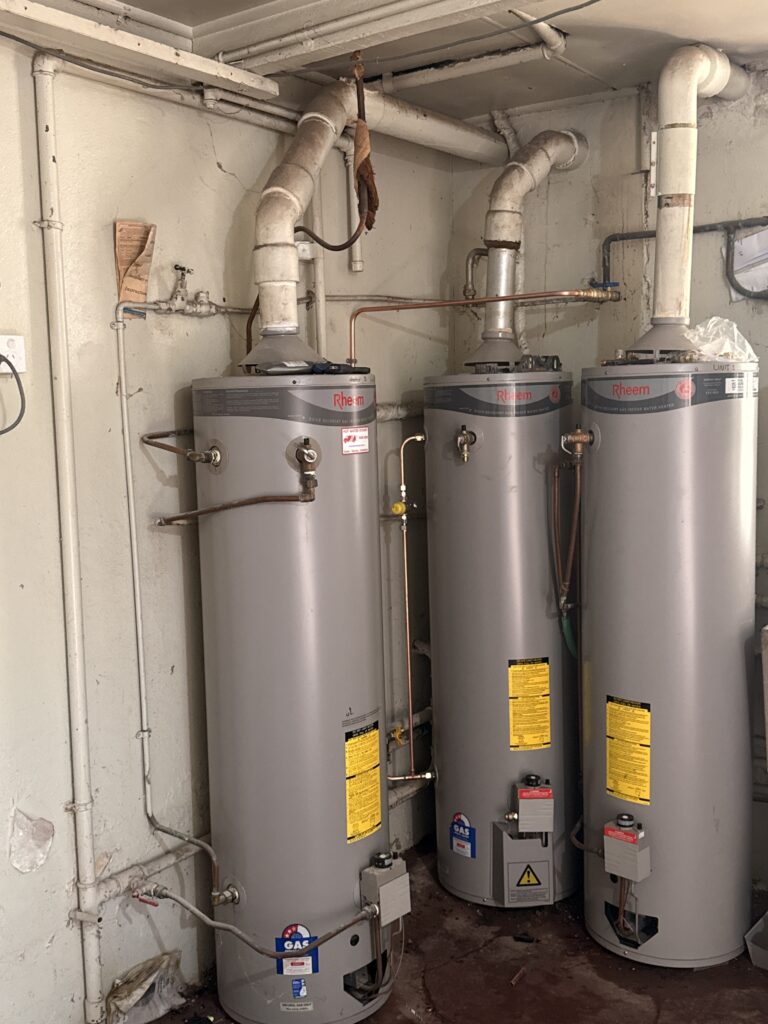
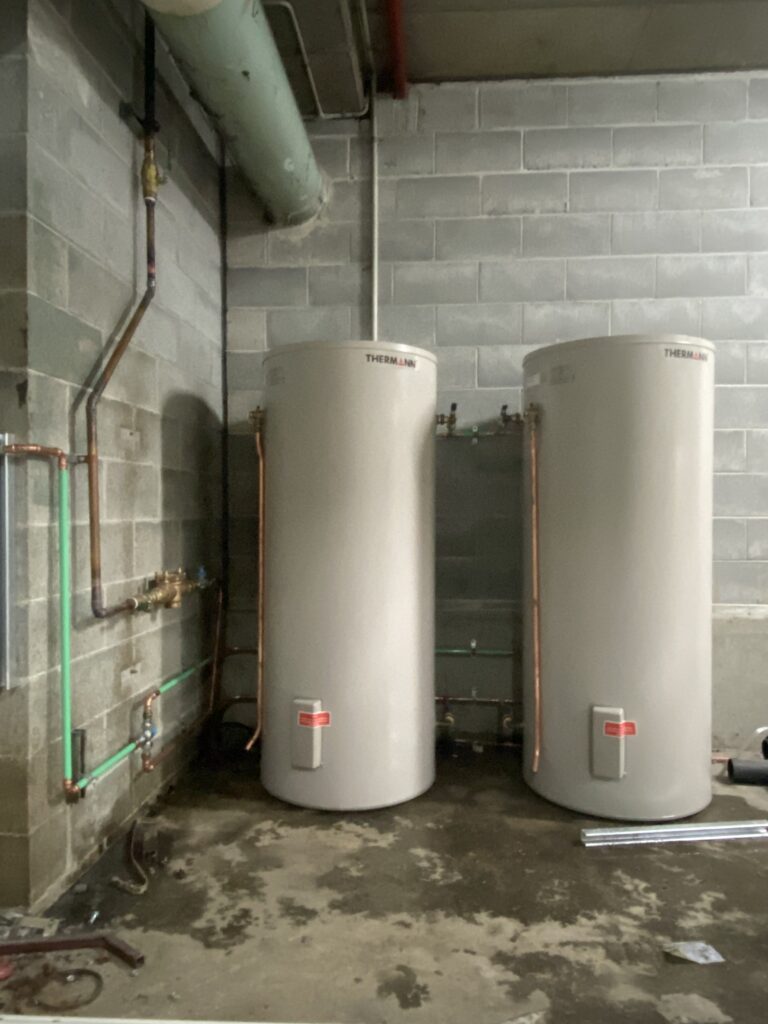
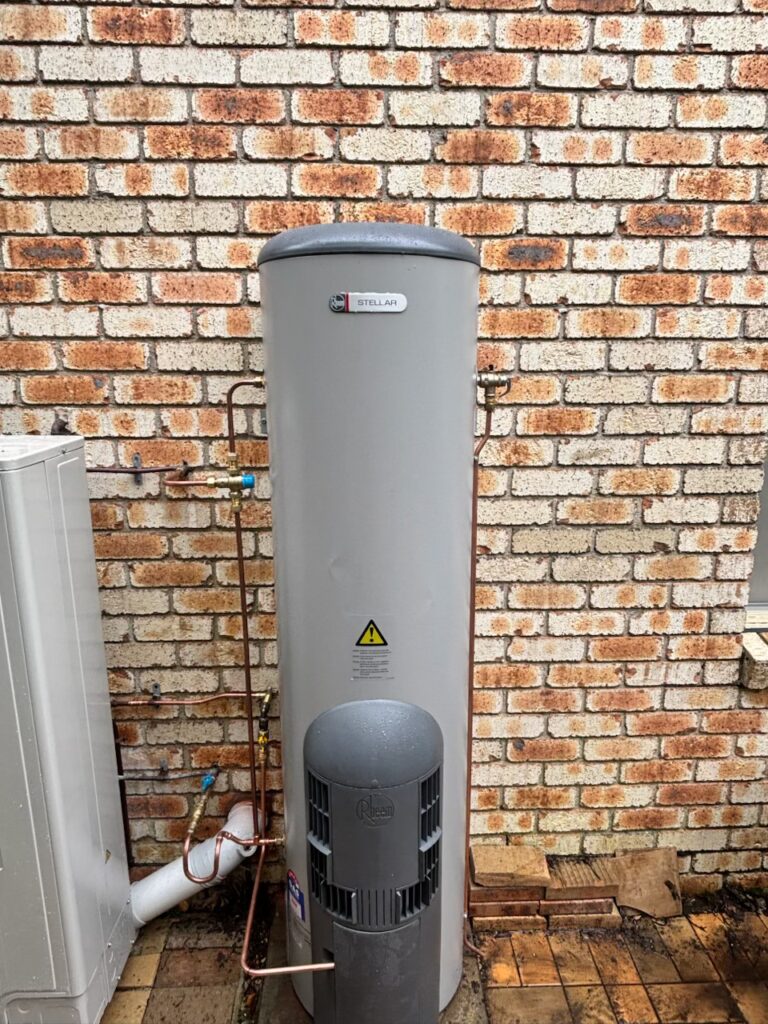
When a Hot Water Repair Makes Sense
Not every hot water issue means you need a new system. In many cases, a straightforward repair is the smarter and more cost-effective option.
- Minor, isolated issues like a faulty thermostat, a worn heating element, or a pressure relief valve that needs replacing are common fixes. They are affordable and can extend the life of your system by years.
- Systems still within their expected lifespan are usually worth repairing. If your storage tank is under 8 to 10 years old or your continuous flow unit is under 15 years, a repair will typically deliver solid value.
💡A useful rule of thumb: if the repair cost is less than 30 to 50% of a full replacement, repair usually wins. But the most reliable way to know is to have a licenced plumber assess the system and confirm that a repair will hold. Guesswork is expensive, and clear insight helps you avoid spending money twice (or more!)
When Replacement Is the Smarter Investment
In some cases, a repair only delays the inevitable. Here is when replacement makes more sense:
- The system has passed its expected lifespan: Most hot water systems begin to decline at around the 10-year mark, depending on the type of heater and its working conditions. Beyond this point, repairs often become less cost-effective and can offer diminishing returns.
- You are dealing with frequent breakdowns: If you have called a plumber for the same system two or three times in a single year, that is a pattern, not bad luck.
- A major component has failed: Tank corrosion, cracked heat exchangers, or failed burners on an ageing unit are rarely worth the cost of repair. The system is telling you something.
- Running costs are climbing: Older systems consume significantly more energy. A modern replacement can reduce your hot water energy use by 20 to 40%, which adds up over the life of the system.
- Safety or compliance is a concern: Older gas systems may not meet current Australian safety standards. This is especially important for rental properties, where compliance is a legal requirement. If your system runs on gas and you have concerns, our gas fitting team can assess it.
Repair vs Replacement: What to Consider
Cost is usually the biggest factor in the decision. Here is a realistic comparison.
| Factor | Repair | Replacement |
| Upfront Commitment | Lower | Higher |
| Ongoing Reliability | May vary depending on system age | Consistent over the long term |
| Energy Efficiency | Typically unchanged | Modern systems are far more efficient |
| Expected Lifespan | Extends current system | Resets lifespan entirely |
| Long-Term Value | Best for newer systems | Better for ageing or unreliable systems |
The hidden cost that catches most homeowners out is repeated repairs. A quick fix sounds reasonable in isolation, but ongoing repairs can quickly add up, often at the cost of a new system, without delivering any of the results.
💡Note: Every system is different. The right decision depends on the type of unit, its condition, and how it has been used. At Hardie & Co, we know how tough the decision can be. That’s why we focus on clear, honest advice. backed by a proper on-site assessment and real, experience-led recommendations, we help you make the right call with confidence, without pressure or guesswork.
Why Energy Efficiency Matters More Than You Think
Older hot water systems lose efficiency over time. Sediment build-up, worn components, and outdated technology all contribute to higher energy consumption for the same amount of hot water. Modern systems, by comparison, are designed to use less energy for the same output.
When comparing options, gas systems typically offer lower running costs but higher installation costs. Electric systems are simpler to install but can be more expensive to run, depending on your tariff. Solar and heat pump systems have the highest upfront cost but the lowest ongoing running costs.
💡The Australian Government’s energy rating system is a useful resource when comparing efficiency across system types.
Safety Risks You Should Not Ignore
A failing hot water system is not just an inconvenience. In some cases, it can be a safety risk, for example:
- Pressure relief valves that are not functioning correctly can lead to dangerous pressure build-up inside the tank.
- Gas systems carry the added risk of carbon monoxide exposure and gas leaks if components deteriorate. These risks are not always visible, which makes regular inspection and maintenance essential.
- Older systems may also fall short of current Australian plumbing and safety regulations. If you own a rental property, non-compliant systems can create legal liability.
Choosing the Right Replacement System
If replacement is the right decision, the next step is choosing a system that genuinely suits your home. The right choice ultimately comes down to how your household uses hot water, what energy sources are available, and what level of efficiency and cost you’re comfortable with.
- Household size and demand: Larger households with consistent, high-volume demand often benefit from storage tank systems, which keep a ready supply of hot water on hand. Smaller households, or properties where space is limited, may be better suited to continuous flow (tankless) systems, which heat water on demand.
- Energy source: Gas, electric, solar, and heat pump systems each come with their own balance of upfront cost, running costs, and environmental impact. Your existing setup, such as access to gas, available roof space for solar, or electrical capacity, will also influence what’s practical to install.
- Budget. Factor in both the purchase price and the installation cost. Installation costs, ongoing running expenses, and long-term efficiency all factor into the true cost of ownership.
To explore the different types of systems in more detail and find the right fit for your home, visit our guide: 5 Common Types of Hot Water Heating Systems (& How To Choose The Best)
How to Keep Your Hot Water System Running Longer
Whether you repair or replace, regular maintenance is the single best way to extend the life of your system and avoid unexpected failures.
- Annual servicing: A licensed plumber can identify developing issues before they become expensive problems.
- Flush the system: Draining sediment from the tank prevents build-up that reduces efficiency and damages components.
- Check the anode rod: This sacrificial rod protects your tank from corrosion. Most homeowners do not know it exists, but replacing it when worn can add years to your tank’s life.
- Monitor performance: Pay attention to the warning signs covered earlier in this guide. Early action is almost always cheaper than emergency action.
Repair or Replace? Use This Checklist
If you are still weighing up the options, this comparison can help you think it through.
| Repair If… | Replacement If… |
| System is under 8 – 10 years old | System is past its expected lifespan |
| First significant issue in years | Recurring breakdowns (2 – 3+ per year) |
| Repair cost is under 50% of replacement | Repair cost approaches replacement cost |
| No safety or compliance concerns | Safety risks or non-compliance |
| Energy bills are stable | Energy bills climbing without explanation |
| A licensed plumber confirms the system is sound | Major component failure (tank corrosion, cracked exchanger) |
The Bottom Line
The decision between repairing or replacing your hot water system ultimately comes down to a few key factors: the age of the unit, how often it’s failing, the cost of repairs compared to replacement, energy efficiency, and overall safety.
Neither option is automatically right or wrong. A well-timed repair can extend a system’s life, while a well-chosen replacement can cut your energy costs and give you reliable hot water for over a decade. The key is making the decision based on facts, not guesswork.
At Hardie & Co Plumbing, we handle every stage of the hot water process: diagnosis, repair, replacement, and ongoing maintenance. As certified Master Plumbers, we bring proven expertise, strict industry standards, and a commitment to delivering safe, reliable, and long-lasting solutions on every job.
Call us today on 0484 910 116 or request a quote online.