
Nothing’s more frustrating than opening your water bill and seeing a number far higher than you expected. And the worst part? Nothing in your routine has changed, so you’re left asking: Why is my water bill so high?
Before panic sets in, it’s important to know that higher-than-expected water bills are often a sign that something needs attention; whether that’s a hidden leak, an inefficient appliance, or even seasonal changes affecting your usage.
In this guide, we’ll break down the most common causes of unexpectedly high water bills, show you how to check your home for issues, and share practical steps to bring those costs back under control.
- High water bills are often caused by hidden leaks, running toilets, or faulty irrigation systems.
- Water bills in Australia include both fixed service charges and variable usage charges based on consumption.
- Checking your water meter regularly helps you detect leaks before they inflate your bill.
- Common hidden culprits include underground pipe leaks, leaky taps, and inefficient appliances.
- Indoor warning signs of leaks include damp spots, mold growth, warped floors, or musty smells.
- Outdoor signs of leaks include unusually green patches of grass, puddles, or dripping taps and hoses.
- DIY tests like the food coloring test for toilets can help identify silent leaks at home.
- Professional plumbers use advanced tools to detect hidden leaks and can save thousands in repair costs.
Understanding Your Water Bill
Aussie water bills generally consist of two main components: fixed service charges and variable usage charges.
- Service Charges are fixed daily fees that cover the costs of maintaining water supply networks, sewage systems, and even fire-fighting infrastructure. These fees stay the same regardless of how much water you use.
- Usage Charges depend on the volume of water you consume. Most water providers use a tiered pricing system, where the price per kilolitre (kL) increases as your usage rises. This system is designed to encourage water conservation while ensuring that households that use more water contribute fairly to infrastructure costs.
To put this in perspective, surveys from January 2023 reported that the average quarterly household water bill in Australia was highest in Queensland at $240, while Victorian households had the lowest average during the same period.
Reading Your Water Bill Correctly
But, your water bill contains more than just the total amount due. The first page usually summarises your account, showing previous payments and the current amount owing. The second page breaks down your water consumption in kilolitres and separates the fixed service charges from variable usage charges.
You can also verify your water consumption by checking the meter details listed on the bill, including the serial number, meter readings, billing period, and total water used. Billing periods vary; most last about two months, though some providers issue quarterly bills.
If your bill seems unusually high, compare the meter reading on your bill with your actual meter. Take a photo if there’s a discrepancy and contact your provider.
8 Hidden Causes of a High Water Bill
More likely than not, an unexpectedly high bill isn’t about how much you’re using, but rather that something is leaking, malfunctioning, or quietly driving up your water consumption without you realising.
1. Underground Pipe Leaks You Can’t See
Leaks and burst pipes under the ground can waste thousands of litres each day without any obvious signs. A hidden pinhole leak can waste thousands of litres a day, potentially costing hundreds of dollars without you even knowing.
These leaks occur beneath your lawn or driveway and often show no visible signs on your plumbing fixtures. However, you might notice unusually green or soggy patches in your yard that stand out from the surrounding areas. This can indicate water escaping from underground pipes.
2. A Running Toilet
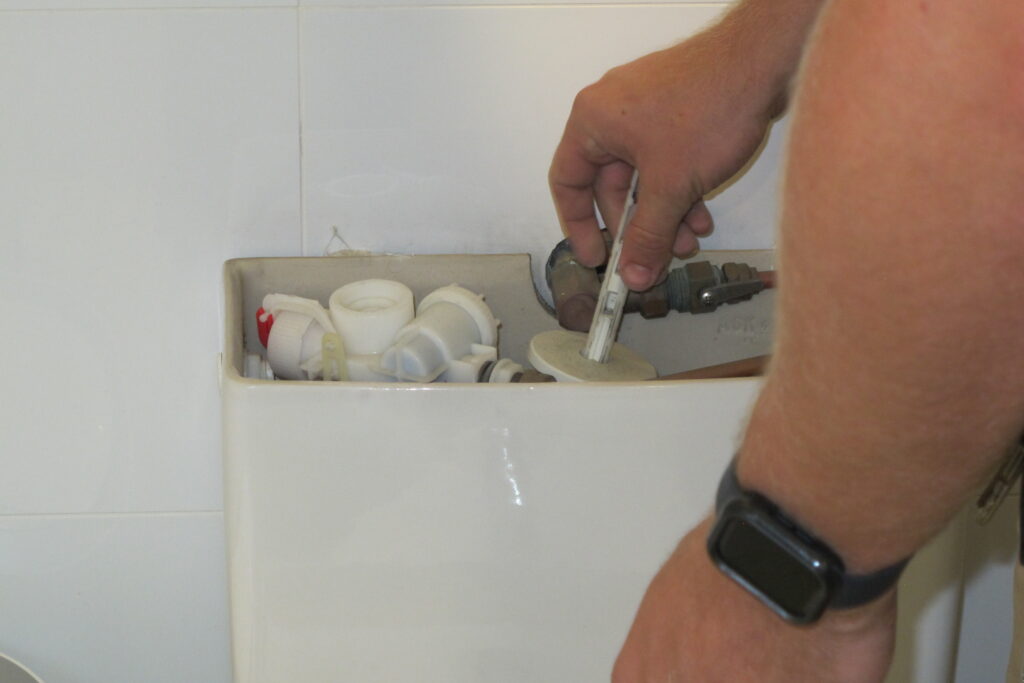
A toilet that runs continuously is one of the most expensive plumbing issues in a household. Every flush or constant trickle wastes a significant amount of water: a slow leak can waste around 4,400 litres per year, while a constantly running toilet can use over 96,000 litres per year.
Common causes include a faulty flapper, a worn-out flush valve, or a float that isn’t adjusted correctly. Checking your toilet regularly for leaks and replacing old parts promptly can prevent hundreds of dollars in wasted water.
3. Leaky Taps or Showerheads
Even small drips from taps and showers add up faster than you might expect. A single dripping tap can waste around 30 litres per day. The faster the drip, the more water is wasted… and the higher your bill will be.
4. Faulty Irrigation or Sprinkler Systems
Garden irrigation can account for about 28% of a household’s total water use. When irrigation systems develop leaks or have faulty solenoid valves, water can escape into the soil, creating damp patches in your yard and driving up your usage without any obvious signs.
Sprinklers left running too long, broken heads, or uneven coverage can further increase consumption. Scheduling maintenance checks and upgrading to smart irrigation systems with timers and sensors can help conserve water while keeping your garden healthy.
5. Old or Inefficient Appliances
Old toilets, washing machines, and dishwashers use far more water than modern, efficient models. For example, switching from a 12L single-flush toilet to a 4-star 3.5L flush model can save 50 kL of water per year. Upgrading appliances is an easy way to cut both usage and costs.
6. Leaks at the Toilet Base or Inside the Tank
Leaks aren’t always obvious. Water seeping at the base of a toilet often results from a failed wax ring or loose flange bolts, while internal tank leaks may occur between flushes. Signs include water pooling around the base, stains forming on the floor, or tanks that refill without being flushed.
7. Incorrect Water Meter Readings
Sometimes the problem isn’t your plumbing, it’s the meter. Faulty meters can run even when no water is being used, causing overcharges. To test, turn off all water, note your meter reading, wait a few hours, then check it again. Report any unusual readings or noises to your provider.
8. Seasonal or Lifestyle Changes
Water consumption naturally fluctuates throughout the year, something you might not always notice. Hotter months often mean more showers, watering gardens, filling pools, or running cooling systems. Lifestyle changes, like having guests over, starting a new garden, or spending more time at home, can also spike water usage.
Comparing your current bill to the same period in the previous year, rather than the last quarter, helps identify whether the increase is seasonal, lifestyle-driven, or indicative of a leak. Seeing these patterns allows you to plan and manage water usage more effectively.
How to Check for Leaks at Home
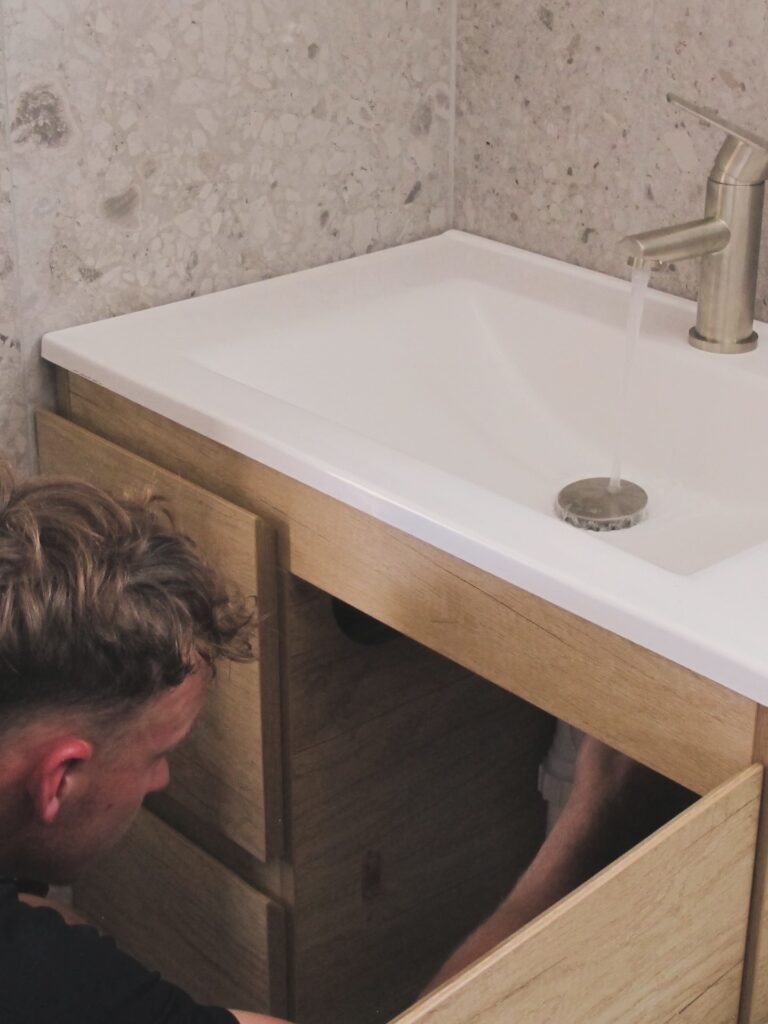
Fortunately, with a few simple tests, you can detect many leaks before they escalate. Here’s a step-by-step guide to finding leaks in your home:
1. Check the Meter
Your water meter is the most reliable tool for detecting whether or not you’ve got a leak. Here’s what to do:
- Shut off all water sources: Make sure every tap, appliance, and irrigation system is turned off completely. Even a small drip can affect your results.
- Locate your water meter: Most meters are positioned near the front of your property, often in a small underground box or enclosure.
- Record the current reading: Include all numbers, including the red digits, which measure fractions of a kilolitre.
- Wait and observe: Leave the meter untouched for at least 15-30 minutes. For very small leaks, extend the test to 2 hours or even overnight to get a more accurate reading.
- Check the meter again: Any movement in the reading indicates water is flowing somewhere, suggesting a leak exists.
2. Testing Your Toilets For Leaks
Toilets are one of the most common sources of hidden water waste in the home. But, testing your toilet for leaks is relatively straightforward and can save both water and money. Here’s a step-by-step guide:
- Remove the Toilet Tank Lid: Removing the lid gives you access to the tank interior and the flapper valve, which is the most common source of leaks.
- Check the Water Level in the Tank: Inside the tank, look for the “water line” marking, which indicates the optimal water level. If the water level is too high or reaching the overflow tube, adjust the fill valve to bring it to the correct height. Proper water level ensures efficient flushing and can prevent some leaks caused by overflow.
- The Food Colouring Test: Using 4–5 drops of food colouring (blue or green works best), add the dye directly into the tank water. You can also use a toilet dye tablet for this purpose. Wait 15–30 minutes without flushing. If the water in the bowl has changed colour, you have a leak. Most often, this is caused by a worn-out flapper valve, the rubber stopper at the bottom of the tank that should form a watertight seal.
If it isn’t the flapper valve, don’t forget to check the other components of your toilet. These include the overflow tube, which can crack or allow water to continuously flow into the bowl, and the supply lines leading to the toilet, which may have loose connections, cracks, or small drips. Inspecting these components ensures you identify the exact source of the leak rather than guessing.
Some leaks occur at the base of the toilet rather than in the tank:
- Tighten the Tee Bolts: Remove the plastic covers on the bolts at either side of the toilet base and gently tighten them. This can help restore the seal between the toilet and the drain outlet.
- Replace the Wax Ring: If tightening the bolts doesn’t fix the leak, the wax ring beneath the toilet may need replacement. This involves temporarily removing the toilet, installing a new wax ring, and re-securing the toilet.
3. Inspect Outdoor Areas and Appliances
Not all water leaks happen indoors. Your garden, irrigation systems, and outdoor taps can be major contributors to high water bills if they are damaged or malfunctioning. Identifying these leaks early can save a surprising amount of water!
Signs to Look For:
- Unusually green or spongy patches of lawn: Even when surrounding areas are dry, soggy or overly green spots often indicate a leak in an underground pipe or irrigation system. These areas may appear healthier than the rest of your lawn due to excess water.
- Consistently damp soil or puddles: Pools of water that persist despite no recent rain are another red flag. This could be caused by broken irrigation lines, leaking water features, or cracks in underground pipes.
- Pooling water around garden taps or irrigation heads: Check for standing water near spigots, sprinkler heads, or garden valves. A small crack or loose connection can allow water to escape continuously.
- Drips from hoses or connectors: While minor drips may seem insignificant, but over weeks or months, they can waste hundreds or even thousands of litres of water. Make sure all hose connections are tight and inspect hoses for small holes or worn areas.
4. Damp Spots or Mould
Damp spots and mould are another common sign of an undetected leak. Here are the top signs to watch out for:
- Damp or discoloured patches: Look for spots on walls, ceilings, or floors that appear darker than the surrounding areas. Even small areas of discolouration can indicate water seeping from pipes inside walls, under floors, or from the roof.
- Soft, warped, or peeling surfaces: Walls or floors that feel spongy, sag, or show peeling paint or wallpaper often signal ongoing water exposure. These areas may also develop cracks over time due to repeated moisture cycles.
- Unexpected mould growth: Mould can appear behind cabinets, under sinks, inside cupboards, or around window frames. Mould often thrives in dark, damp spaces and may be hidden from plain sight until it spreads.
- Persistent musty smells: Even if cleaning and ventilation seem thorough, a lingering damp or musty odour can indicate mould or water trapped inside walls, under floors, or beneath carpets.
To stay ahead of hidden leaks, regularly inspect areas around sinks, dishwashers, toilets, and showers, as these are the most common sources of water loss. Don’t forget to check behind furniture or appliances placed against walls, where leaks can go unnoticed for much longer!
When to Call a Professional Plumber?
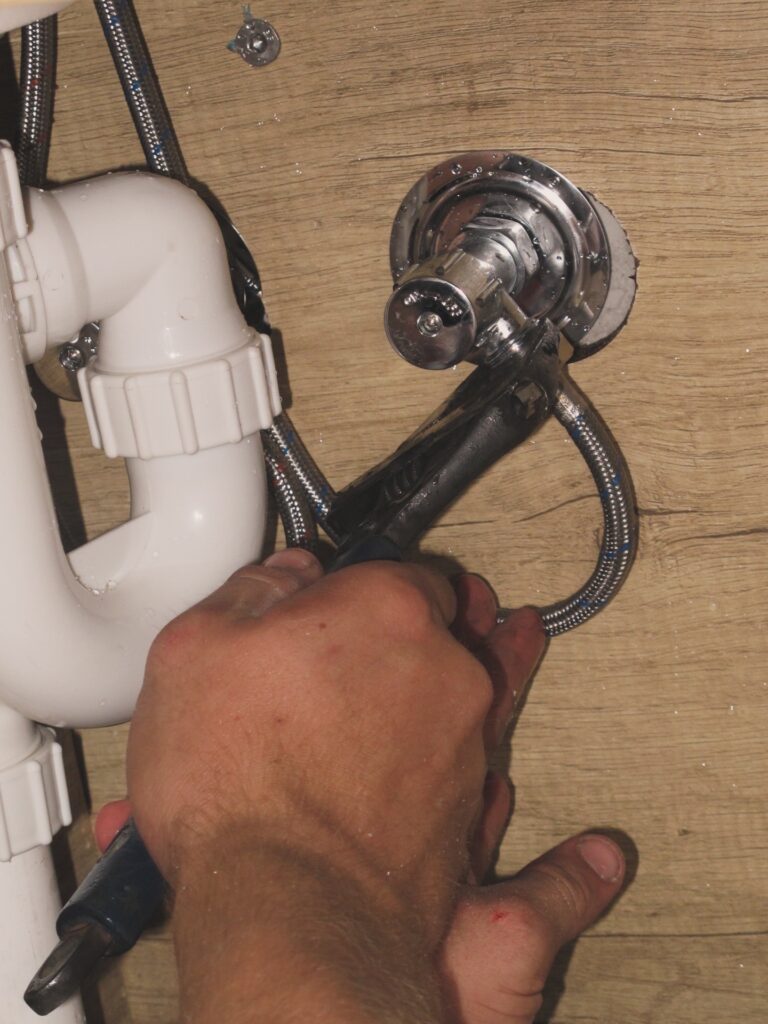
While DIY leak detection can be effective for spotting simple issues, there are times when professional help is the smartest choice. If you’ve followed all the tests, checking your meter, inspecting taps, toilets, and appliances, but still can’t locate the source of a high water bill (or simply don’t have the right tools), it’s time to call a professional.
Why?
Professional plumbers use advanced equipment and techniques that go far beyond standard DIY methods. Acoustic sensors can detect water moving through pipes, infrared thermography reveals hidden moisture inside walls or under floors, and pipe cameras allow inspection of underground or internal plumbing without causing damage. These tools let plumbers accurately locate slab leaks, leaks behind walls, and other concealed issues that might otherwise go unnoticed.
Early professional intervention doesn’t just fix the leak; it saves money, water, and stress. In Australia, the average water damage claim reaches around AUD 27,000! By comparison, professional leak detection typically costs AUD 300-600, a small investment for the peace of mind and savings it provides.
Preventing Future High Water Bills
Once you’ve identified and fixed leaks in your home, the next step is making sure your water usage stays under control. Preventing future high water bills is about combining good habits, regular maintenance, and smart upgrades to reduce waste and improve efficiency.
- Regular Plumbing Inspections: Check taps, toilets, showers, and appliances for drips or signs of wear. Don’t forget hidden areas such as under sinks, behind cabinets, and around irrigation systems.
- Maintain and Upgrade Appliances: Ensure washing machines, dishwashers, and water heaters are running efficiently. Replace older units with water-efficient models where possible and use eco-friendly settings.
- Adopt Smart Water Habits: Take shorter showers, turn off taps while brushing teeth or washing dishes, and limit unnecessary outdoor water use.
- Install Water-Saving Fixtures: Low-flow taps, showerheads, and dual-flush toilets reduce water consumption without affecting convenience.
- Manage Outdoor Irrigation: Check sprinkler heads, hoses, and timers regularly to avoid overwatering. Consider drip irrigation or automated systems with moisture sensors to target water efficiently.
- Monitor Water Usage: Keep an eye on your water bills and meter readings. Spotting unusual spikes early helps you address potential issues before they become costly.
Take Control of Your Water Usage
High water bills don’t have to be a mystery. By understanding the hidden causes, you can spot problems early and prevent unnecessary water waste in the future. Small issues may seem minor, but they can add up to hundreds of dollars to your bill if left unchecked.
But the key to keeping your water costs under control is proactive monitoring. Make checking your water meter a regular habit and stay alert to changes in your consumption. DIY inspections can help catch many leaks, but don’t hesitate to call a professional plumber for stubborn or hidden problems in walls, under floors, or underground.
Need Help With a Leak?
Don’t let hidden leaks drain your budget. Contact Hardie and Co today! Whether it’s a plumbing emergency or routine leak detection, our expert team is available 24/7 to respond quickly. With advanced diagnostic tools, we identify the root of the problem fast and provide clear, honest recommendations. From there, we deliver accurate, efficient repairs without the guesswork or unnecessary delays.